Family-Friendly Meal Planning
Educational content only. No medical services. No promises of outcomes.
Learn moreIntroduction to Family Nutrition
Family nutrition encompasses the principles and practices surrounding how families approach daily meals. This educational resource explores various approaches to organizing balanced meals that incorporate diverse food groups.
Understanding the fundamentals of meal composition helps families explore different ways to include vegetables, fruits, whole grains, and proteins in their daily routines. These concepts are presented for informational purposes only.
Different families have different needs, preferences, and approaches to organizing their meals. This resource describes general principles without providing specific dietary recommendations or personalized advice.

Principles for Balanced Family Meals
Variety of Food Groups
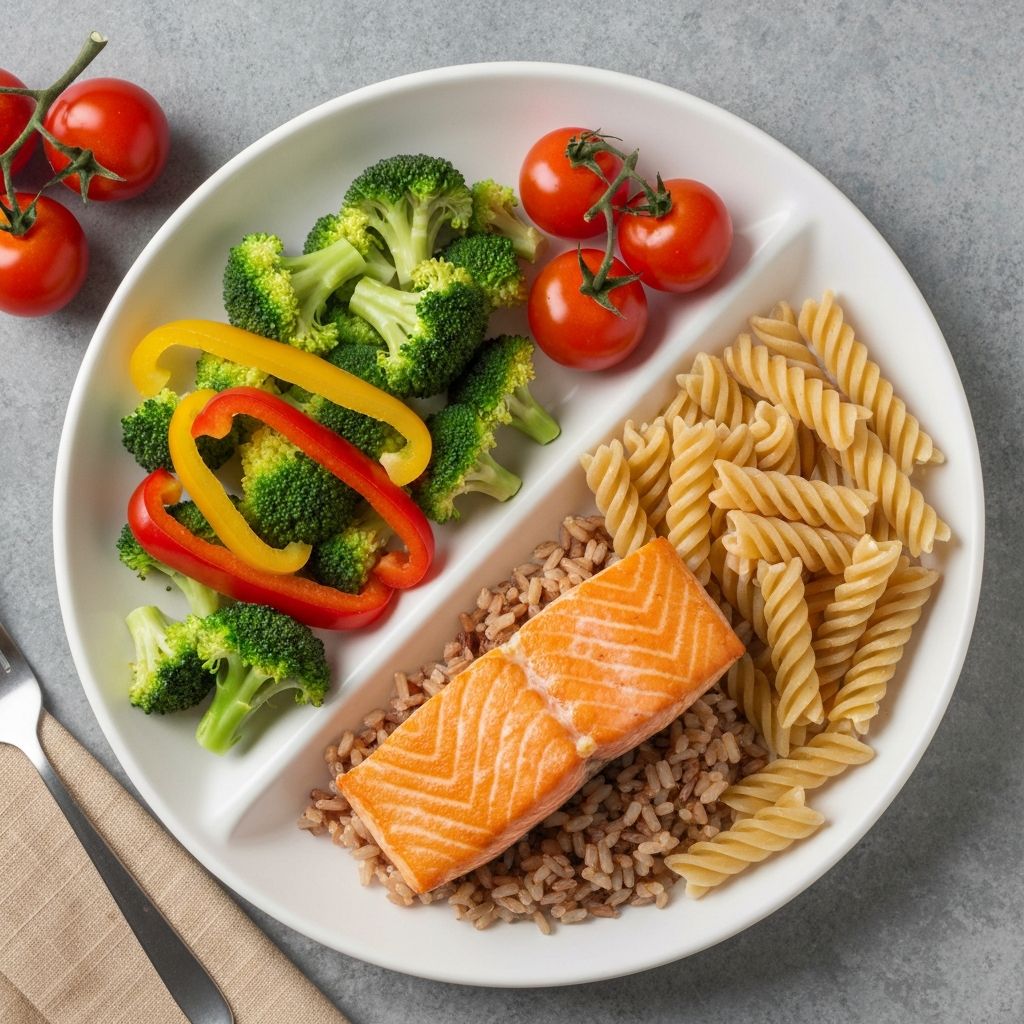
Balanced meals typically include a variety of food groups. Vegetables, fruits, whole grains, and protein sources each contribute different nutritional components to a meal.
Meal Timing and Structure
Families organize their eating patterns in different ways. Some follow traditional breakfast, lunch, and dinner structures, while others adapt meal timing to their schedules and preferences.
Ingredient Combinations
Understanding how different ingredients work together in meals is a fundamental aspect of meal planning. This includes considering flavors, textures, and nutritional complementarity.
Examples of Family-Friendly Dishes
Vegetable-Based Meals
Many families incorporate vegetable-based dishes into their routines. These might include salads, roasted vegetables, stir-fries, or vegetable soups that feature seasonal produce.
Protein Sources
Protein sources in family meals can vary widely, including legumes, beans, fish, poultry, and lean meats. Different cultures and dietary preferences influence these choices.
Whole Grain Options
Whole grains such as brown rice, quinoa, whole wheat pasta, and oats are commonly included in family meals. These ingredients provide texture and nutritional variety to dishes.

Planning Weekly Family Meals
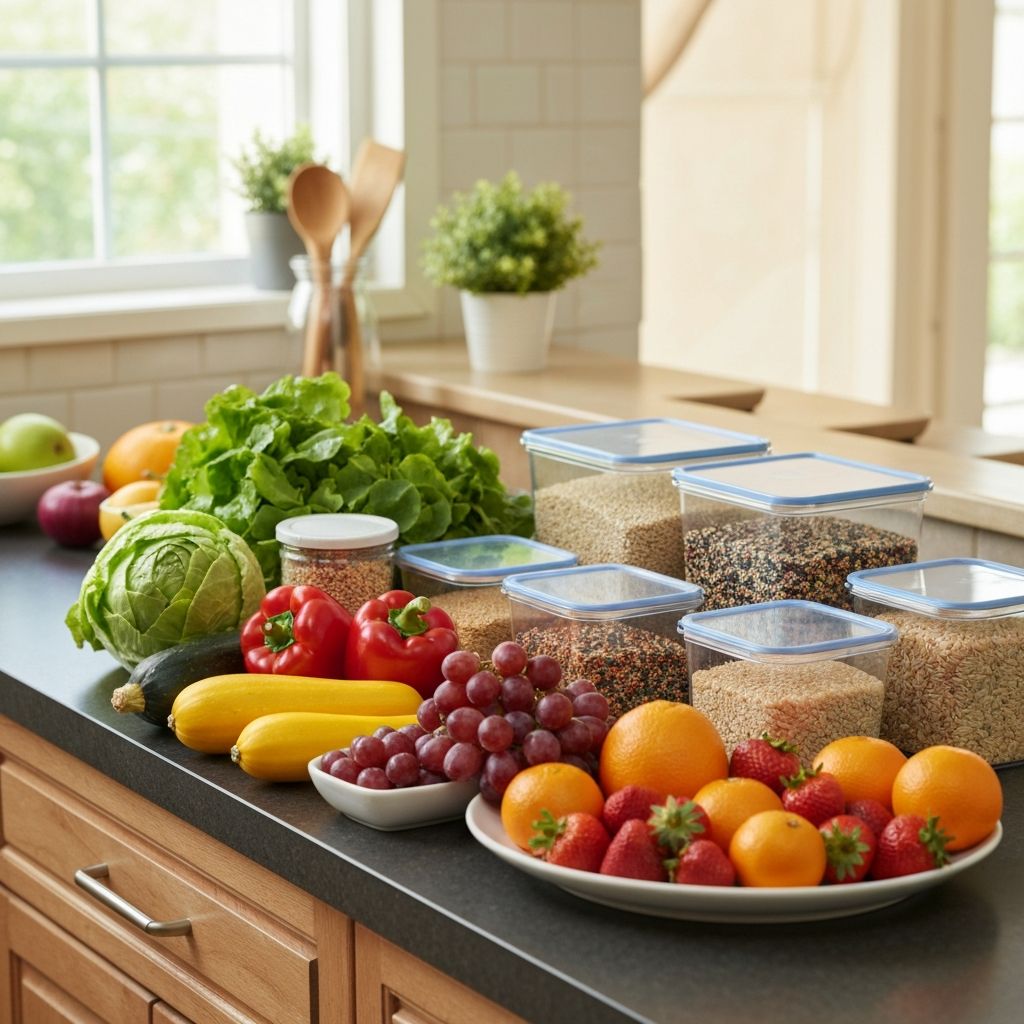
Weekly meal planning is a practice some families use to organize their grocery shopping and meal preparation. This approach involves considering the week ahead and identifying which meals to prepare on which days.
Planning can help families think about ingredient usage, reduce food waste, and organize their kitchen activities. Different families approach this process in various ways, depending on their schedules, preferences, and circumstances.
Some families prefer detailed planning with specific recipes for each day, while others take a more flexible approach, planning general meal types and adapting as needed throughout the week.
Explore furtherEducational Articles
Family-Friendly Breakfast Ideas
Explore various approaches to organizing morning meals that include whole grains, fruits, and protein sources. This article presents different breakfast concepts for informational purposes.
Read in detailLunch and Dinner Concepts
Learn about different ways families structure their main meals, including vegetable incorporation, protein selection, and meal composition principles.
Read in detailWeekly Planning Approaches
Understand how some families organize their weekly meal planning, including shopping strategies, ingredient management, and meal preparation concepts.
Read in detailFrequently Asked Questions
What is the purpose of this website?
This website provides educational information about family meal planning concepts and nutritional principles. It is an informational resource only and does not offer personalized advice, medical services, or guaranteed outcomes.
Who should use this information?
This content is intended for general educational purposes. Individuals seeking specific dietary advice or medical guidance should consult qualified healthcare professionals.
Are these recommendations or just information?
This website presents educational information about meal planning principles. It does not provide personalized recommendations or advice. All decisions regarding diet and nutrition remain with the individual or their healthcare providers.
Can I rely on this information for dietary decisions?
This content is for educational purposes only. It should not be used as the sole basis for dietary decisions. Individual circumstances vary widely, and professional guidance is appropriate for personal dietary planning.
Educational Context and Limitations
All content on this website is provided for educational and informational purposes only. This resource does not provide medical advice, dietary recommendations, or personalized guidance.
Individual nutritional needs and circumstances vary significantly. The information presented here describes general concepts and should not replace consultation with qualified healthcare professionals or registered dietitians.
This website does not promise, guarantee, or suggest specific outcomes. Approaches to family nutrition are diverse, and what works for one family may not be suitable for another.
Readers are encouraged to seek professional advice for their specific situations and to make informed decisions based on their individual circumstances, preferences, and health status.
Continue Learning
Explore more educational content about family meal planning and nutritional concepts.
Explore further