Weekly Planning Approaches
Published: February 2026 | Educational Content
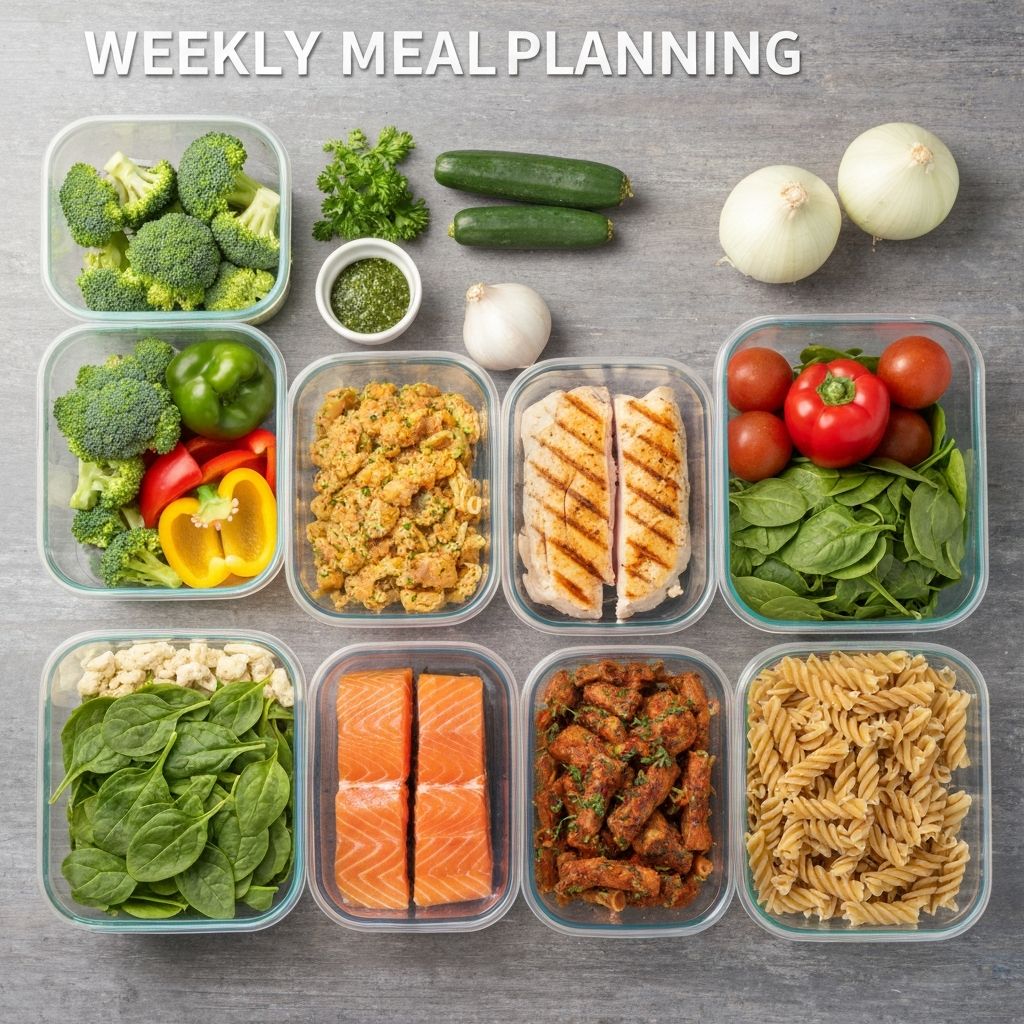
Understanding Weekly Meal Planning
Weekly meal planning refers to the practice of thinking ahead about meals for the coming week. Some families engage in this practice to help organize their grocery shopping, manage their time, and reduce decision-making during busy weekdays.
This article explores general concepts related to weekly planning approaches. The information is presented for educational purposes and describes various methods without suggesting that any particular approach is superior or necessary.
Planning Approaches
Families who engage in meal planning use various approaches, ranging from highly detailed to quite flexible. No single method is universally appropriate, as different approaches suit different circumstances, preferences, and lifestyles.
Detailed Planning
Some families plan specific meals for specific days, often including detailed recipes and ingredient lists. This approach provides clear structure and can help ensure all necessary ingredients are available.
This method might involve reviewing recipes, making comprehensive shopping lists, and scheduling preparation times. It requires more upfront time investment but can reduce daily decision-making.
Flexible Planning
Other families prefer a more flexible approach, planning general meal types or ingredient categories rather than specific dishes. For example, they might designate certain days for vegetable-based meals, fish meals, or legume meals without specifying exact recipes.
This approach allows for spontaneity and adaptation based on daily circumstances while still providing general direction for the week.
Hybrid Approaches
Many families use a combination of detailed and flexible planning. They might plan certain meals in detail while leaving other days more open-ended, or they might plan main dish components while remaining flexible about side dishes.
Considering the Week Ahead
When planning for the week, families often consider various factors that influence their meal patterns and preparation capacity.
Schedule Considerations
Work schedules, school activities, appointments, and other commitments affect when meals need to be prepared and consumed. Days with less available time might require simpler meal options or advance preparation.
Evening activities or late arrivals home might influence meal timing and complexity. Some families plan for these variations by choosing different types of meals for different days.
Ingredient Availability
Seasonal availability of certain ingredients can influence planning. Some families incorporate seasonal produce into their weekly plans, while others rely more on year-round available items.
Perishability of ingredients also factors into planning. Items that deteriorate quickly might be planned for use earlier in the week, while more stable ingredients can be used later.
Variety and Repetition
Balancing variety with familiarity represents a consideration for many families. Some prefer significant variety from meal to meal, while others are comfortable with more repetition.
Repeating certain components across meals, such as using the same grain or vegetable in different preparations, can simplify shopping and preparation while still providing some variety.
Shopping Strategies
Meal planning often connects with grocery shopping practices. Different families approach shopping in different ways based on their planning style, available time, and personal preferences.
Single Shopping Trips
Some families prefer to do one comprehensive shopping trip per week, purchasing all or most ingredients needed for planned meals. This approach requires more detailed planning and list-making but reduces the frequency of shopping trips.
Storage capacity and ingredient perishability can limit this approach for some items, particularly highly perishable fresh produce.
Multiple Shopping Trips
Other families make multiple smaller shopping trips throughout the week, perhaps one larger trip for staples and shelf-stable items, with additional trips for fresh produce or other perishables.
This approach offers more flexibility and can result in fresher ingredients, but requires more time spent shopping overall.
Shopping Lists
Organized shopping lists, whether paper-based or digital, help many families ensure they purchase needed ingredients and avoid forgetting items.
Some families organize lists by store section or category, while others simply list items as they think of them. Different organizational approaches suit different people.
Ingredient Management
Managing purchased ingredients throughout the week involves various considerations and practices.
Storage Practices
Proper storage of different food types helps maintain quality and reduce waste. Different foods require different storage conditions, temperatures, and containers.
Understanding which items need refrigeration, which store well at room temperature, and how long different ingredients typically last informs storage decisions.
Using Ingredients Efficiently
Planning meals that use similar ingredients in different ways can help reduce waste and simplify shopping. For example, a vegetable purchased for one meal might also appear in a different form in another meal.
Some families intentionally plan to use leftover components from one meal in subsequent meals, though this requires flexibility in planning and comfort with adaptation.
Inventory Awareness
Being aware of what ingredients are already available at home helps prevent purchasing duplicates and encourages using existing items before they deteriorate.
Some families periodically review their pantry, refrigerator, and freezer contents as part of their planning process.
Preparation Strategies
Meal planning extends beyond shopping into actual meal preparation. Different families distribute preparation work throughout the week in different ways.
Advance Preparation
Some families engage in batch preparation, where certain components are prepared in advance, typically on weekends or less busy days. This might include washing and cutting vegetables, cooking grains, or preparing complete dishes that can be reheated.
The extent of advance preparation varies. Some families do minimal advance work, while others prepare substantial portions of their weekly meals ahead of time.
Daily Preparation
Other families prefer to prepare most food daily, finding this approach keeps ingredients fresher or better suits their schedules and preferences.
Daily preparation requires reliable access to ingredients and sufficient time each day, which may not be feasible for all families on all days.
Combination Approaches
Many families use a combination of advance and daily preparation, perhaps preparing some components ahead while cooking other elements fresh each day.
Adapting Plans
Even with planning, circumstances change, and flexibility often becomes necessary. Schedule changes, ingredient unavailability, or simply changing preferences can require plan adjustments.
Some families view their plans as flexible guides rather than rigid schedules, adapting as needed throughout the week. Others prefer to stick closely to plans once made.
Building some flexibility into plans from the start, such as having backup meal ideas or keeping certain versatile ingredients on hand, can make adaptation easier when needed.
Planning Tools and Methods
Families use various tools to facilitate meal planning, from simple paper and pen to specialized digital applications.
Written Plans
Some families write their weekly plans on paper, using calendars, planners, or simple lists. This approach requires no technology and can be posted visibly in the kitchen for easy reference.
Digital Tools
Various applications and digital tools exist for meal planning, offering features like recipe storage, automated shopping lists, and nutritional information. These tools suit families comfortable with technology.
Mental Planning
Some families plan primarily mentally, without extensive written documentation. This informal approach works for some people, particularly those planning simpler meal patterns or those with strong organizational memory.
Planning with Family Input
How families make planning decisions varies. Some households have one person who primarily handles planning, while others involve multiple family members in the process.
Involving family members can help ensure meals suit various preferences and can distribute planning responsibility. However, it also requires coordination and communication.
The extent of family involvement in planning often reflects broader household dynamics and individual interest in food and cooking topics.
Learning and Adjusting
Meal planning approaches often evolve over time as families learn what works for their specific circumstances. Initial attempts at planning might be adjusted based on experience.
What works during one life phase might need modification during another. Family size changes, schedule shifts, or changing preferences can all prompt planning adjustments.
Some families find that their planning approach naturally becomes more efficient over time as they develop familiarity with the process and their preferences.
Educational Context and Limitations
This article presents educational information about weekly meal planning concepts, shopping strategies, and ingredient management approaches. It does not provide personalized advice or recommendations for specific individuals or families.
Family circumstances vary significantly in terms of time availability, cooking skills, household size, budget considerations, and personal preferences. The general information presented here cannot account for these individual variations.
Readers seeking guidance for their specific situations should consider their own circumstances and, if needed, consult with appropriate professionals.
This content describes various approaches to meal planning for informational purposes only. It does not suggest that meal planning is necessary or that any particular approach is superior to others.