Family-Friendly Breakfast Ideas
Published: February 2026 | Educational Content
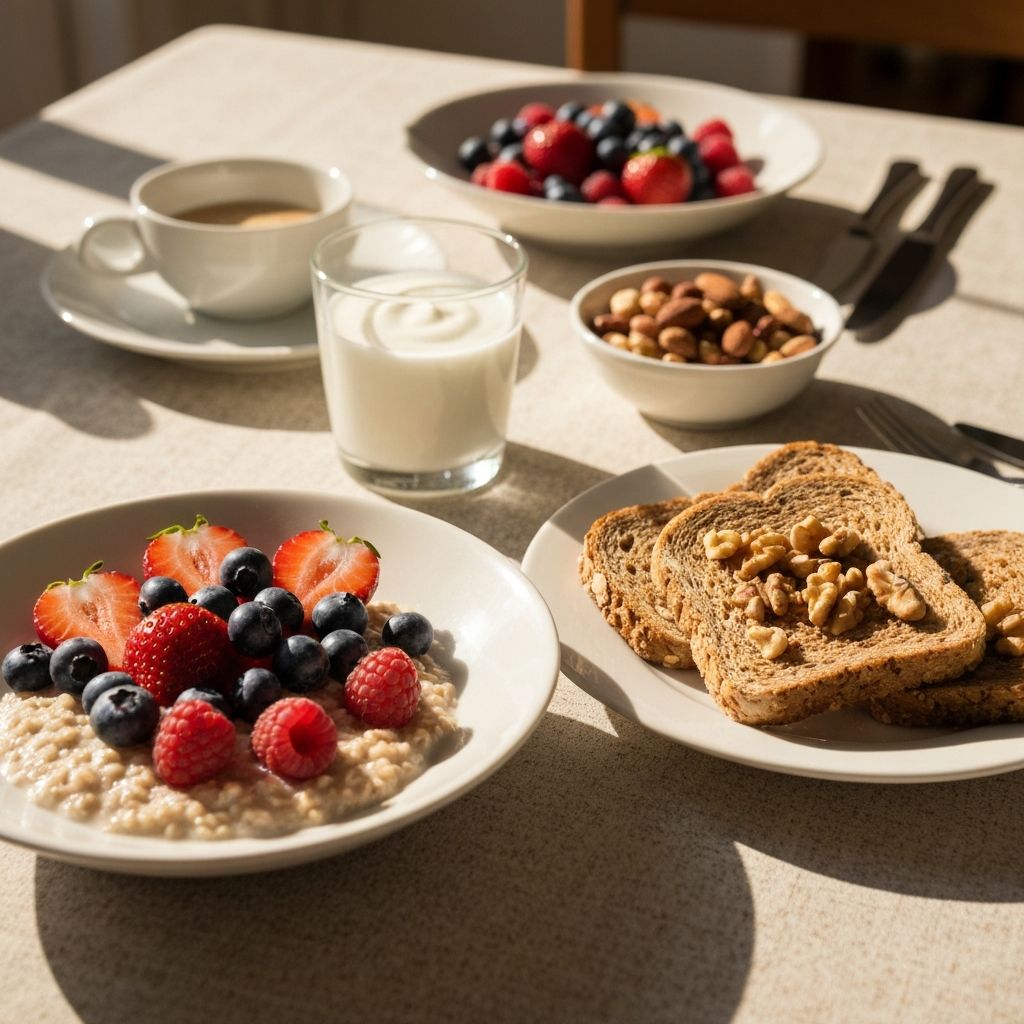
Understanding Breakfast Structure
Breakfast represents the first eating occasion of the day for many families. Different cultures and households approach morning meals in various ways, with timing, composition, and portion sizes varying based on individual preferences and schedules.
This article explores general concepts related to organizing breakfast meals that incorporate different food groups. The information is presented for educational purposes and does not constitute personalized dietary advice.
Whole Grain Options
Many families include whole grain foods in their breakfast routines. These ingredients provide texture and nutritional variety to morning meals.
Common Whole Grain Breakfast Foods
Oatmeal prepared with water or milk represents a common breakfast choice. Some families prepare it plain, while others add various toppings such as fruits, nuts, or seeds.
Whole grain bread used for toast provides another option. Different types of whole grain breads exist, including whole wheat, multigrain, and varieties made with oats or other grains.
Whole grain cereals vary widely in composition and preparation. Some require cooking, while others are ready to eat. Reading ingredient information helps families understand what these products contain.
Fruit Incorporation
Fruits add color, flavor, and nutritional variety to breakfast meals. Families incorporate fruits in different ways depending on seasonal availability, preferences, and convenience.
Fresh Fruits
Berries, including strawberries, blueberries, and raspberries, are commonly added to breakfast items. Bananas, apples, and oranges represent other frequently chosen options.
Some families prefer sliced fruits added to cereals or oatmeal, while others serve fruit separately or blend it into smoothies.
Other Fruit Forms
Dried fruits such as raisins, dates, or apricots provide concentrated sweetness and different textures. These are sometimes added to oatmeal, yogurt, or baked goods.
Frozen fruits offer convenience and extended shelf life, making them practical for families who prefer to have fruit options available throughout the week.
Protein Sources for Breakfast
Protein-containing foods are often included in breakfast meals. Different families choose different protein sources based on dietary preferences, cultural backgrounds, and individual tastes.
Dairy and Plant-Based Alternatives
Yogurt, both dairy and plant-based versions, serves as a breakfast component for some families. Plain and flavored varieties exist, with different fat contents and ingredient compositions.
Milk, whether dairy or plant-based, is commonly consumed with cereals or used in cooking applications like oatmeal preparation or smoothie making.
Eggs and Other Options
Eggs can be prepared in numerous ways for breakfast, including boiled, scrambled, or as part of omelets. Preparation methods and additional ingredients vary by family preference.
Nut butters spread on toast or added to oatmeal provide another protein source. Peanut, almond, and other nut butters offer different flavor profiles.
Legumes are less commonly associated with breakfast in some cultures but feature prominently in others. Beans on toast represents one example of legume inclusion in morning meals.
Breakfast Meal Examples
The following examples illustrate how different food groups can be combined in breakfast meals. These are descriptive examples for educational purposes, not recommendations.
Example One
Oatmeal prepared with water or milk, topped with sliced banana, a handful of berries, and a spoonful of nut butter. This combination includes whole grains, fruits, and a protein source.
Example Two
Whole grain toast with mashed avocado, served alongside a piece of fruit and a boiled egg. This provides grains, vegetables, fruit, and protein.
Example Three
Plain yogurt mixed with fresh berries, chopped nuts, and a small amount of granola. This combines dairy or plant-based alternatives with fruits and additional texture from nuts and grains.
Example Four
Smoothie made with milk or plant-based alternative, frozen fruits, leafy greens, and seeds, served with whole grain toast. This provides a different texture while incorporating multiple food groups.
Timing and Portion Considerations
Breakfast timing varies significantly among families. Some eat shortly after waking, while others delay their first meal. Individual schedules, hunger patterns, and personal preferences influence these choices.
Portion sizes for breakfast depend on numerous factors including age, activity level, and individual appetite. What constitutes an appropriate portion for one person may differ substantially for another.
Some families prefer larger breakfasts followed by lighter meals later in the day, while others eat smaller breakfasts and larger lunches or dinners. No single pattern is universally appropriate.
Preparation Approaches
Breakfast preparation methods range from very quick and simple to more time-intensive. Factors influencing preparation approach include available time, cooking skills, and family preferences.
Some families prepare certain breakfast components in advance, such as overnight oats or pre-portioned ingredients, to streamline morning routines. Others prefer fresh preparation each morning.
The complexity of breakfast preparation varies. Simple options like cereal with milk require minimal preparation, while cooking eggs or preparing smoothies involves more active work.
Educational Context and Limitations
This article presents educational information about breakfast meal concepts and ingredient combinations. It does not provide personalized dietary advice or recommendations for specific individuals or families.
Nutritional needs vary based on numerous individual factors including age, health status, activity level, and specific circumstances. The general information presented here cannot account for these individual variations.
Readers seeking guidance for their specific nutritional needs should consult qualified healthcare professionals or registered dietitians who can provide personalized advice based on individual circumstances.
This content describes various approaches to breakfast meals for informational purposes only. It does not suggest that any particular approach is superior or will produce specific outcomes.